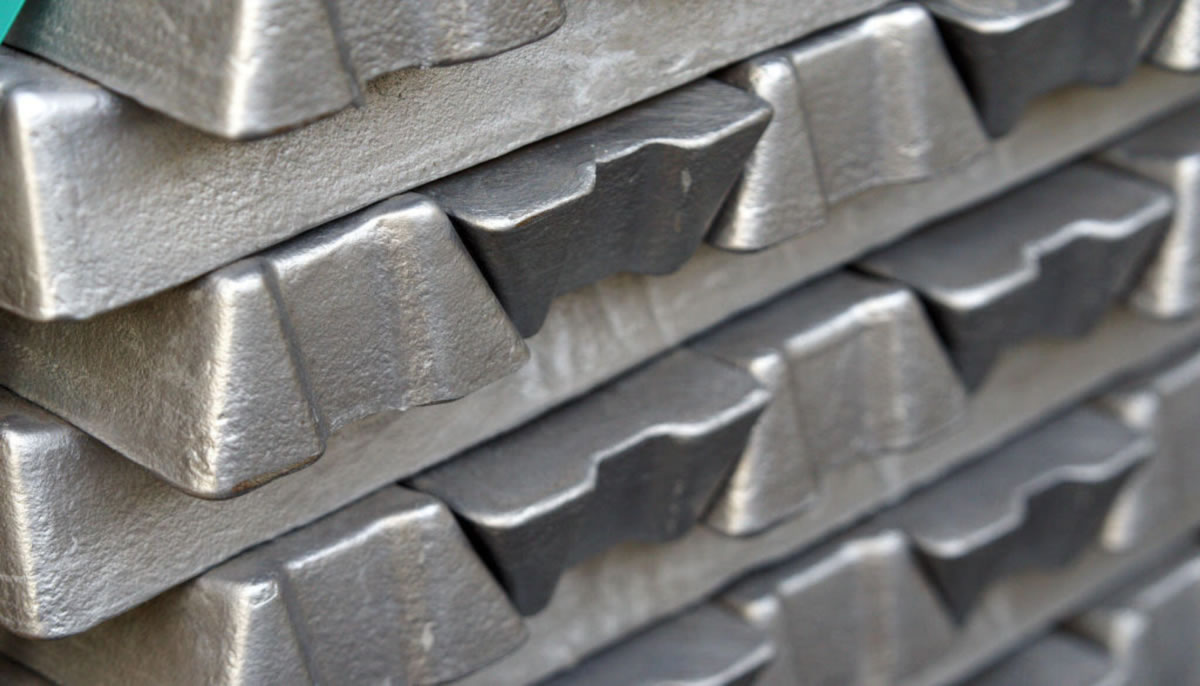
The Versatility of Aluminum Die Casting Alloys
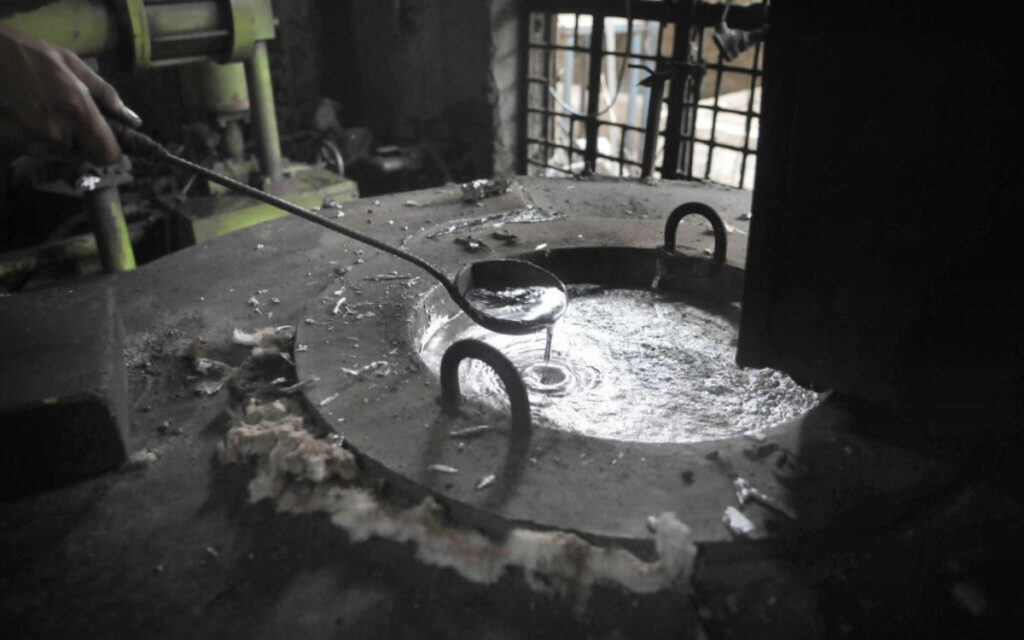
Let’s dive into the world of aluminum die casting alloys, the backbone of versatile and efficient manufacturing processes. As we embark on this exploration, it’s crucial to recognize the pivotal role these alloys play in shaping the modern industrial landscape. Imagine a realm where strength meets innovation, where durability intertwines with adaptability – this is the realm of aluminum die casting.
Aluminum, with its lightweight yet robust characteristics, has become the material of choice for designers and manufacturers across a spectrum of industries. In the intricate process of part design, the advantages of aluminum die casting alloys emerge as a symphony of possibilities. From exceptional tensile strength to remarkable thermal conductivity, these alloys stand as the unsung heroes behind the components that power our vehicles, connect our devices, and fuel technological advancements.
This journey through the realm of aluminum die casting alloys will unravel their mechanical prowess, delve into recent innovations shaping their application, and explore the diverse industries where their utility shines. Join us in navigating the nuances of these alloys – the unsung heroes that form the backbone of modern manufacturing.
Advantages of Aluminum Die Casting Alloys
Strength and Durability
In the intricate world of aluminum die casting, the mechanical prowess of these alloys takes center stage. The alloys, exemplified by A380, ADC12, B390, and more, boast remarkable strength, hardness, and wear resistance. This robust foundation is the backbone of components that endure the rigors of automotive, industrial, and technological applications. Delving into the specifics of each alloy unveils a symphony of durability, ensuring longevity and optimal performance.
Thermal Properties
Beyond mere strength, the thermal conductivity of aluminum alloys emerges as a game-changer. This property, combined with excellent electrical conductivity, positions aluminum as a champion in heat dissipation. Imagine a world where electronic devices, automotive components, and industrial machinery thrive in high-temperature environments. It’s not just durability; it’s a strategic advantage that transcends industries.
EMI and RFI Shielding
The unspoken heroism of aluminum die casting alloys lies in their exceptional EMI and RFI shielding properties. As components in electronic connectors and housings, these alloys create a shield against electromagnetic and radiofrequency interference. This shielding prowess ensures high electrical performance, fostering the seamless operation of devices even in challenging environments. In this silent battle against interference, aluminum alloys stand tall, providing a crucial layer of protection in the electronic landscape.
Innovations in Aluminum Die Casting
Introduction to Thin Wall Aluminum Technology
In the evolution of aluminum die casting, Thin Wall Aluminum Technology emerges as a transformative force, widening the scope of applications for these alloys. This proprietary technology brings efficiency to the forefront, paving the way for faster production cycles and substantial cost reductions. Imagine a world where intricate components come to life with unprecedented speed, meeting the demands of modern manufacturing.
Hot Chamber Aluminum Die Casting
Delving into the historical narrative of cold chamber die casting sets the stage for a technological breakthrough – the advent of hot chamber aluminum die casting. This innovative process, a testament to engineering ingenuity, reshapes industry standards. The advantages it brings are multifaceted: a reduction in porosity enhances structural integrity, extended die life ensures prolonged productivity, and the prevention of surface irregularities elevates the quality of the final product. It’s not just a shift in technology; it’s a leap forward in efficiency and excellence.
Applications and Industries: Where Aluminum Shines
Automotive Industry
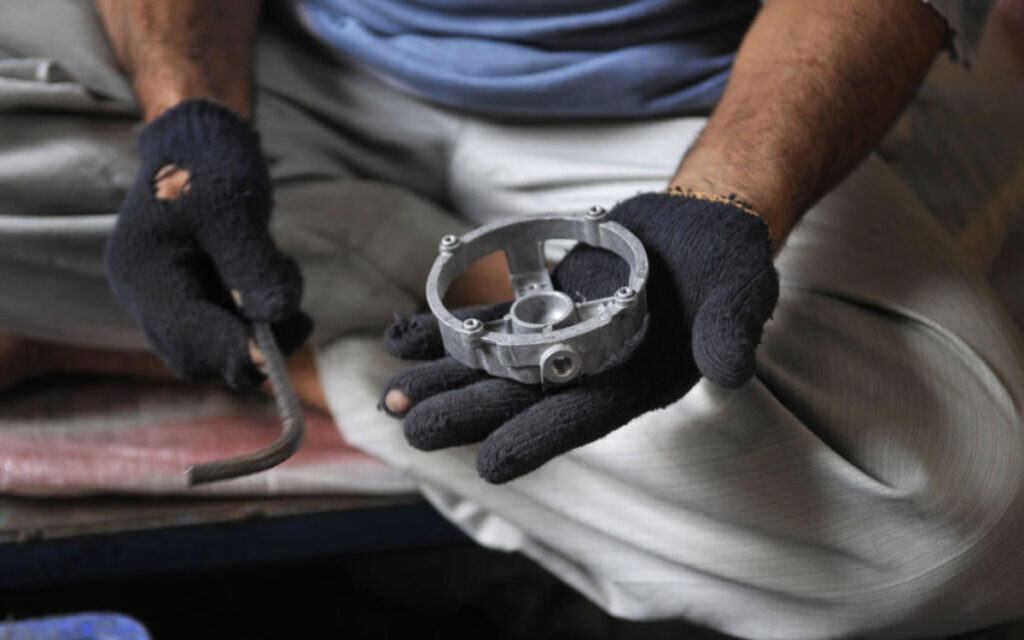
In the dynamic landscape of the automotive industry, aluminum die casting takes center stage, contributing significantly to the quest for fuel efficiency. The magic lies in weight-saving, where aluminum’s lightweight yet sturdy nature proves invaluable. Picture the intricate components – transmissions and engine blocks – crafted with precision, offering not just functionality but an enhancement in overall vehicle performance.
Telecom and Computing Industries
Shift gears to the realm of telecom and computing, where aluminum’s versatility plays a pivotal role. Networking and infrastructure equipment benefit from aluminum’s heat-dissipating prowess, ensuring optimal performance in demanding environments. Zoom in on handheld devices, and aluminum castings emerge as silent heroes. They provide not just rigidity and durability but essential EMI/RFI shielding, safeguarding electronic components and ensuring seamless communication. It’s a silent revolution, where aluminum’s impact reverberates across industries, enhancing efficiency and reliability.
Recycling Aluminum Die Castings: A Sustainable Approach
Beyond their mechanical prowess, aluminum die casting alloys embody sustainability. Over 95% of aluminum castings in North America are crafted from post-consumer recycled aluminum. The process seamlessly blends recycled aluminum with other materials, presenting a functional and environmentally conscious alloy.
The comparison between primary and secondary aluminum highlights the efficiency and energy savings associated with recycling. Dynacast’s in-house re-melting practices further amplify the ecological advantages, saving time, energy, and resources.
Various Aluminum Alloys in the Market
Overview of Aluminum Alloys
Let’s navigating the diverse landscape of aluminum alloys, A spectrum of Aluminium alloys tailored for precision die casting are available in the market. The following alloys by Dynacast stand out for their properties:
- Aluminum Alloy A380: A well-specified alloy known for its balanced properties, offering good strength, corrosion resistance, and thermal conductivity. Widely applied in various industries due to its versatility.
- Aluminum Alloy 383 (ADC12): An intricate solution, especially when dealing with complex components. Recognized as an alternative to A380, it shines in applications demanding high intricacy.
- B390: This alloy stands out with high hardness and commendable wear resistance, making it a preferred choice in scenarios where durability is paramount.
- A413: Renowned for its excellent pressure tightness, A413 ensures components maintain integrity even under demanding conditions.
- 413: A robust aluminum-based alloy designed specifically for die casting applications, offering a reliable blend of properties.
- K-Alloy: Engineered to withstand harsh environments, this cold-chamber die cast alloy prioritizes protection against challenging operating conditions.
- A360: A versatile aluminum alloy known for its excellent pressure tightness and fluidity, adding another layer of choice for discerning designers.
Mechanical Properties Comparison
For designers navigating the intricate selection process, a comprehensive comparison of mechanical properties proves invaluable. Evaluating factors like elongation, tensile strength, yield strength, impact strength, shear strength, and hardness provides a clear roadmap.
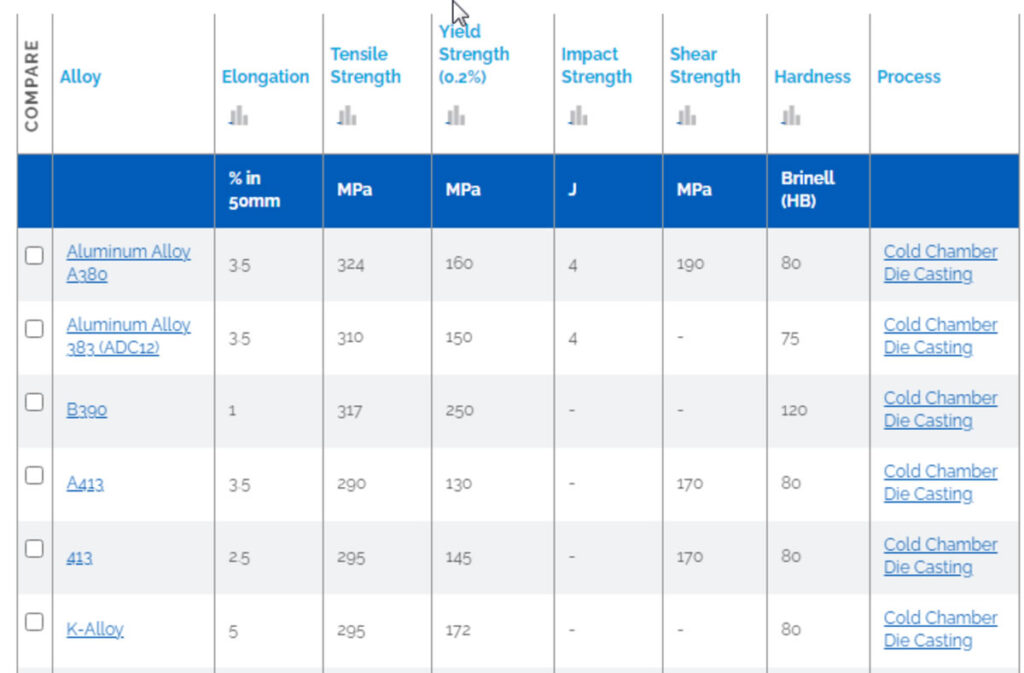
This side-by-side analysis empowers designers to match alloy properties with the specific requirements of their die casting applications, ensuring optimal performance and longevity.
Conclusion
In traversing the intricate realm of aluminum die casting alloys, the journey unveils a landscape rich in advantages and applications. From the versatile A380 to the wear-resistant B390, each alloy brings a unique set of properties to the manufacturing table. The mechanical prowess of A413, the robustness of 413, and the protective capabilities of K-Alloy contribute to a diverse array of choices. Understanding these alloys’ nuances is pivotal for selecting the ideal material tailored to specific die casting needs.
As we conclude this exploration, the significance of aluminum die casting alloys in modern manufacturing stands pronounced. Their role in enhancing automotive fuel efficiency, providing shielding in electronic devices, and contributing to heat dissipation underscores their versatility. To delve deeper into this dynamic world, explore additional resources on aluminum die casting. Your insights, experiences, and questions are valuable – join the conversation and let’s continue navigating the evolving landscape of aluminum die casting together.